Environmentally Responsible Custom Organic Boxes: Freshness Sent Ethically
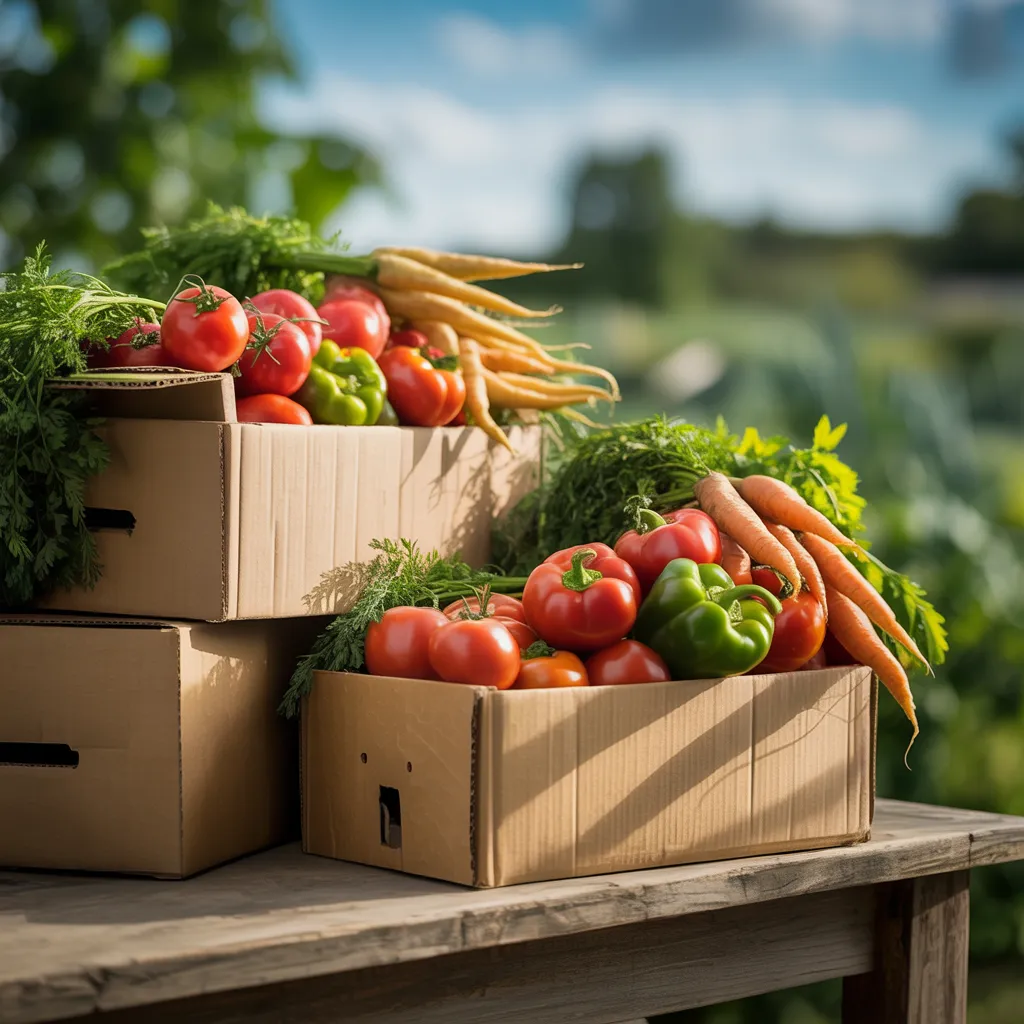
The eco-friendly personalized produce boxes showcase a major shift in food delivery techniques. They give priority to both freshness and green practices, addressing increasing consumer concerns. These boxes, customized for various fruits and vegetables, limit spoilage through advanced designs. Constructed from recyclable and biodegradable materials, they embody a strong commitment to environmental responsibility. With rising consumer demand for sustainable choices, understanding the impact of these boxes becomes crucial. What ramifications might they hold for the future of food packaging?
Learning About Sustainable Custom Produce Boxes
Eco-friendly personalized produce boxes can be customized to specific sizes and designs, supporting various types of fruits and vegetables. This personalization not only improves the aesthetic appeal but also ensures optimal safeguarding during shipping. Additionally, the application of organic binding materials and dyes aligns with eco-conscious values, strengthening the commitment to environmental responsibility.
The Benefits of Eco-Friendly Custom Produce Boxes
Custom produce boxes furnish numerous benefits that transcend mere functionality. Essentially, they elevate product freshness by providing superior protection during delivery, thereby limiting spoilage and waste. These boxes are fashioned to accommodate multiple configurations and dimensions of produce, guaranteeing that items remain secured and sound.
Moreover, sustainable tailored vegetable containers promote environmental preservation. Produced from decomposable or reusable materials, they curtail ecological strain and engage green-minded purchasers. This satisfies growing customer preference for responsible sourcing and packaging approaches in produce procurement and container solutions.
Moreover, personalized designs enable companies to reinforce their brand identity. Distinctive packaging can attract attention and foster customer loyalty, setting apart one item from another in a competitive market. Overall, the benefits of eco-friendly custom produce boxes contribute to a more environmentally responsible food infrastructure while improving the customer experience.
What Elements Are Incorporated in Environmentally Responsible Fruit and Vegetable Boxes?
While various resources can be used for food packaging, those designed with eco-consciousness in mind often feature options like post-consumer cardboard, fluted paper, and biodegradable plastics. Reclaimed cardboard is a preferred option due to its light weight and ability to be recycled several times, decreasing general waste. Corrugated paper contributes strength, making it appropriate for shipping heavy products while remaining eco-friendly.
Biodegradable plastics, generally fashioned from plant-based materials, function as a viable alternative to traditional plastics, breaking down more expeditiously in natural environments. Additionally, some eco-friendly produce boxes incorporate sustainable inks and adhesives, further minimizing their environmental impact.
These materials guarantee the quality of the produce and also meet the growing consumer need for eco-friendly packaging options. By choosing these environmentally responsible options, manufacturers add to a circular economy, advancing a healthier planet while providing fresh products directly to consumers.
Biodegradable as Opposed to Recyclable: Which is Better?
The debate between biodegradable and recyclable materials in eco-friendly produce boxes centers on their respective environmental effects and durability. Biodegradable options decompose naturally, potentially reducing landfill waste, while recyclable items can be repurposed but often require energy-intensive processes. Understanding these elements is essential for consumers aiming to make environmentally responsible choices.
Environmental Effects Assessment
When evaluating the environmental impact of packaging options, the selection between biodegradable and recyclable materials often becomes a critical consideration. Biodegradable materials naturally decompose, cutting landfill waste and supporting soil health. However, their breakdown needs specific conditions, which may not always be present in typical waste management systems. On the other hand, recyclable materials can be collected and reused, minimizing the need for virgin resources. Still, their recycling efficiency depends heavily on local infrastructure and consumer participation. Each option has its strengths; biodegradable materials benefit the environment in the long term, while recyclable materials can be more effective in conserving resources. Ultimately, the decision copyrights on specific contexts, including local waste management capabilities and user behavior.
Material Durability Factors
Analyzing material durability is fundamental for deciding if biodegradable or recyclable choices are more suitable for eco-friendly produce containers. Biodegradable materials like plant-based plastics naturally break down over time but may require particular environmental conditions to effectively decompose. Meanwhile, recyclable materials such as cardboard and certain plastics can be reused and help to reduce overall waste. However, the recycling procedure can consume energy and resources, affecting their sustainability profile. The decision between these two options usually depends on the intended box use and regional waste management practices. In conclusion, grasping the durability factors enables consumers and businesses to make smart decisions that support their environmental aims while safeguarding the produce’s freshness.
Understanding Sustainable Materials Does for Community Agricultural Producers
Sustainable packaging improves the way local farmers offer their produce, creating a direct bridge between environmentally conscious practices and consumer preferences. By leveraging environment-friendly packaging, farmers can elevate their brand image and appeal to a growing demographic that emphasizes sustainability. This shift not only supports sustainable practices but also nurtures community loyalty, as consumers are more likely to support farmers who share their values.
Furthermore, eco-friendly packaging often extends the shelf life of products, making sure produce remains fresh during transport and at the retail location. This may result in increased sales and lessened spoilage, supporting local economies. Implementing sustainable practices also opens avenues for joint efforts with local businesses and markets, promoting a circular economy.
In this way, green packaging solutions operates as a key component for community growers, helping them to succeed while at the same time supporting ecological conservation and community well-being.
Why Eco-Friendly Materials Cut Down on Food Waste
Eco-friendly packaging functions as a significant factor in lowering food waste, supporting the efforts of local farmers who embrace sustainable practices. By employing biodegradable and recyclable materials, these packages decrease environmental impact while making sure that produce stays fresh for prolonged timeframes. Properly designed packaging prevents spoilage during transportation and storage, facing a critical point in the supply chain where food is often lost.
Moreover, nature-friendly options typically incorporate moisture regulation and ventilation systems, which are important for preserving the standards of fruits and vegetables. This not only increases shelf life but also inspires consumers to purchase more produce without the fear of it going bad. As a result, the use of ethical packaging helps to a circular economy by supporting responsible consumption and lowering the overall volume of waste generated. In turn, this fosters a more sustainable food system that benefits both consumers and producers alike.
Guidelines for Preserving Quality in Your Produce Delivery
To guarantee the maximum freshness of produce deliveries, consumers should monitor storage conditions immediately upon arrival. First, it is essential to unpack the items promptly and evaluate their condition. Leafy greens and herbs flourish in a cool, humid environment, so storing them in the refrigerator's crisper drawer is advisable. Conversely, fruits like bananas and avocados may require room temperature to ripen properly before refrigeration.
In addition, consumers should divide fruits generating ethylene, such as apples and tomatoes, from sensitive vegetables to avoid early rotting. Proper air circulation is also important; storing produce in ventilated bags can help retain freshness.
Consistently examining the items for signs of spoilage ensures that any affected produce is removed before it impacts others. Finally, consuming produce within its optimal window enhances taste and nutritional content, essential information confirming that the advantages of eco-friendly delivery are fully realized.
Frequently Asked Questions
What Approaches Are Available to Personalize My Eco-Friendly Produce Box?
To personalize an eco-friendly vegetable box, one can choose preferred produce items, specify box size, choose delivery frequency, and opt for environmentally responsible packaging choices, ensuring a customized and environmentally conscious service suited for personal needs.
Can You Find Size Selections for Different Produce Types?
Yes, various size choices exist to suit various kinds of produce. These sizes address individual preferences and quantities, ensuring that customers receive the perfect container for their specific needs and items.
Can I Purchase These Boxes in Bulk?
Yes, bulk orders of the boxes are offered. Customers can select various quantities to meet their needs, ensuring that they have sufficient supply for their produce while upholding sustainability in their packaging choices.
Are Sustainable Fresh Produce Containers Supplied With Insulation?
Eco-friendly produce boxes typically feature thermal barriers to keep temperature stable and freshness during transit. This feature ensures that perishable items remain safeguarded, enhancing product freshness while following sustainable packaging practices in the delivery process.
What Is the Common Delivery Time for These Boxes?
Usually, delivery times for these shipments range from one to three days, contingent upon the location and the service provider. Customers can look forward to timely arrivals to maintain ideal freshness for the produce inside.